
DIY Pool Repair is Harder Than it Looks
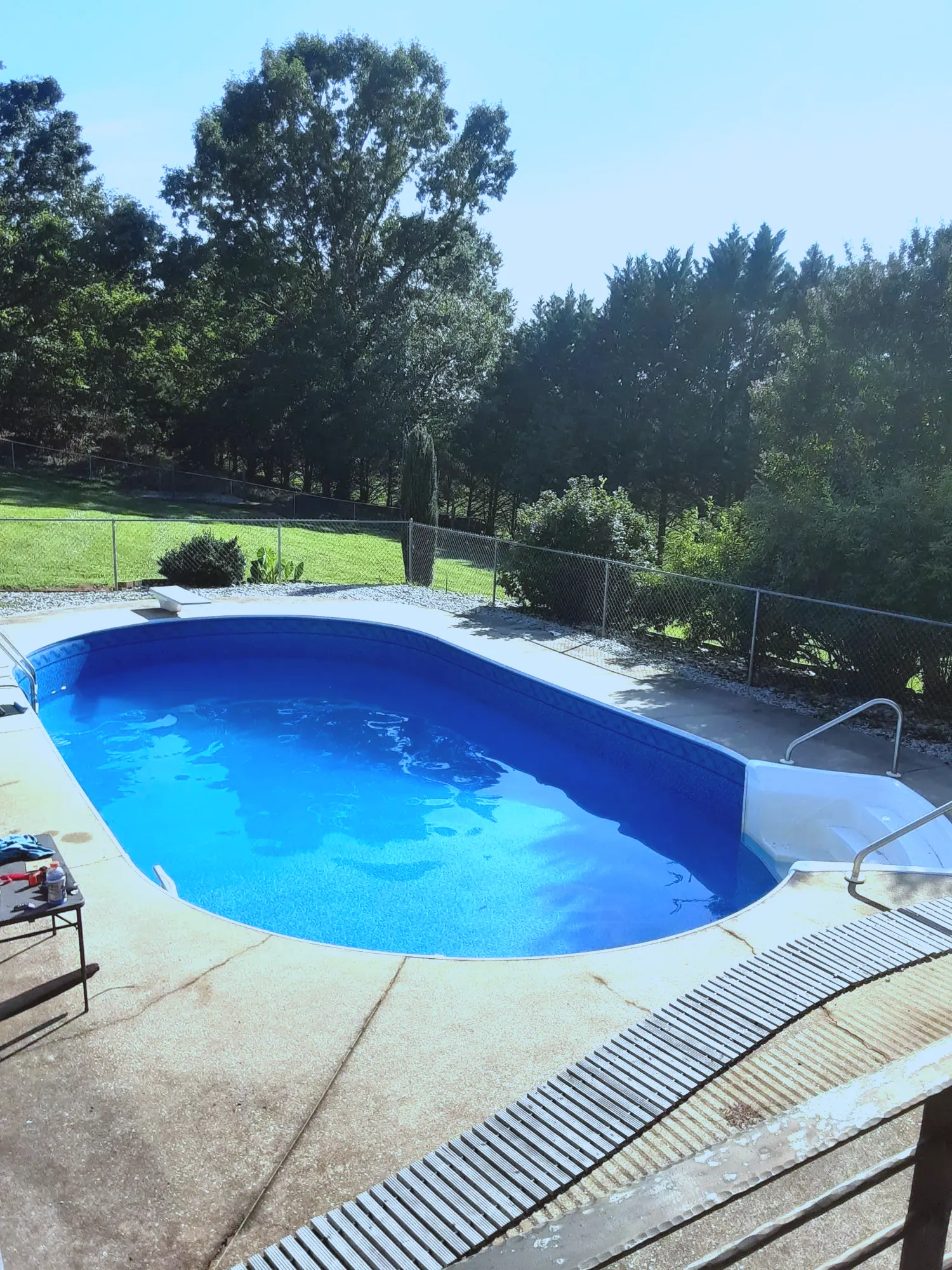
If you've got a vinyl liner pool in Burke County that's quietly losing water, you're probably not the first person to grab a bottle of leak-detection dye and go looking for the culprit yourself. That's exactly how this job started, and honestly, we respect it. This homeowner had done their homework — watched a good number of how-to videos, bought the dye, and spent time snorkeling around the shallow end trying to spot the leak before calling us in.
A Smart Start That Still Needed a Second Set of Eyes
DIY leak hunting works more often than people expect — a visible tear or an obvious puncture can absolutely be found from the deck or in a snorkel and mask. But pinholes are a different animal. They're small, they're sneaky, and they don't always show up where you'd guess. In this case, the search had focused on the shallow end, which makes sense — not everyone has a full diving setup and weight belt. We started by ruling out the deep end completely (as the pool pwner had already scanned the shallow), then worked our way to the shallow steps, where the actual damage turned out to be hiding.
What We Found at the Steps
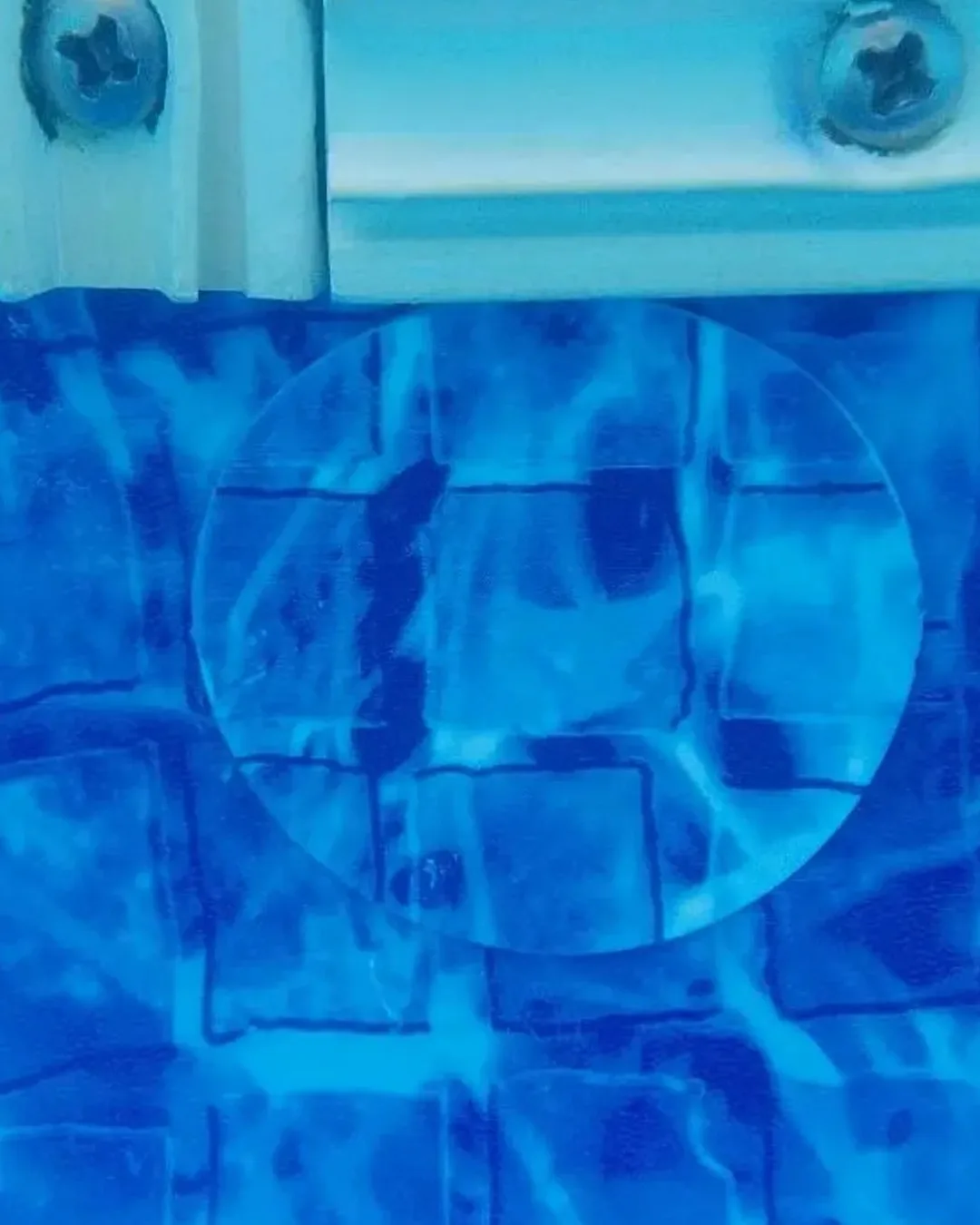
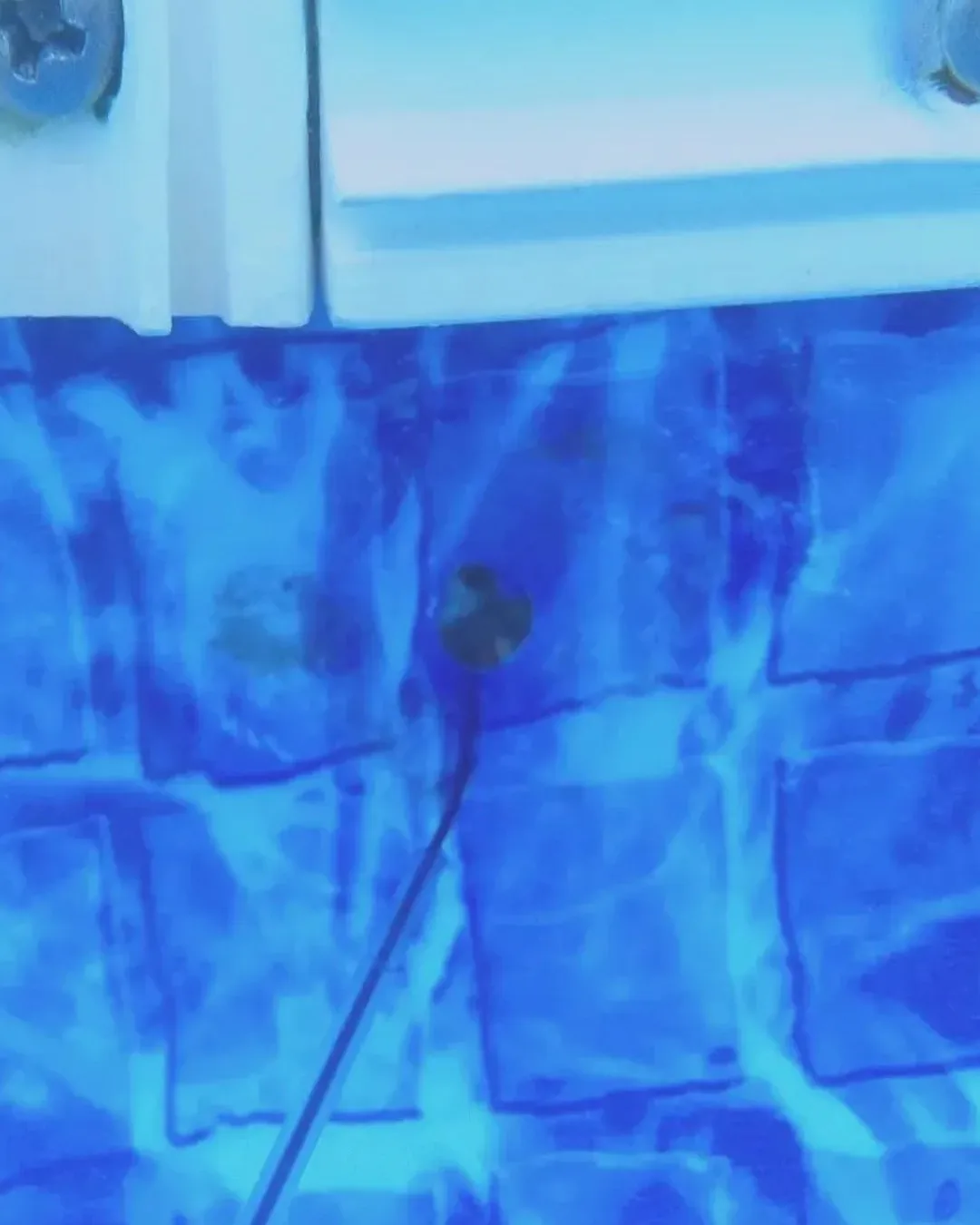
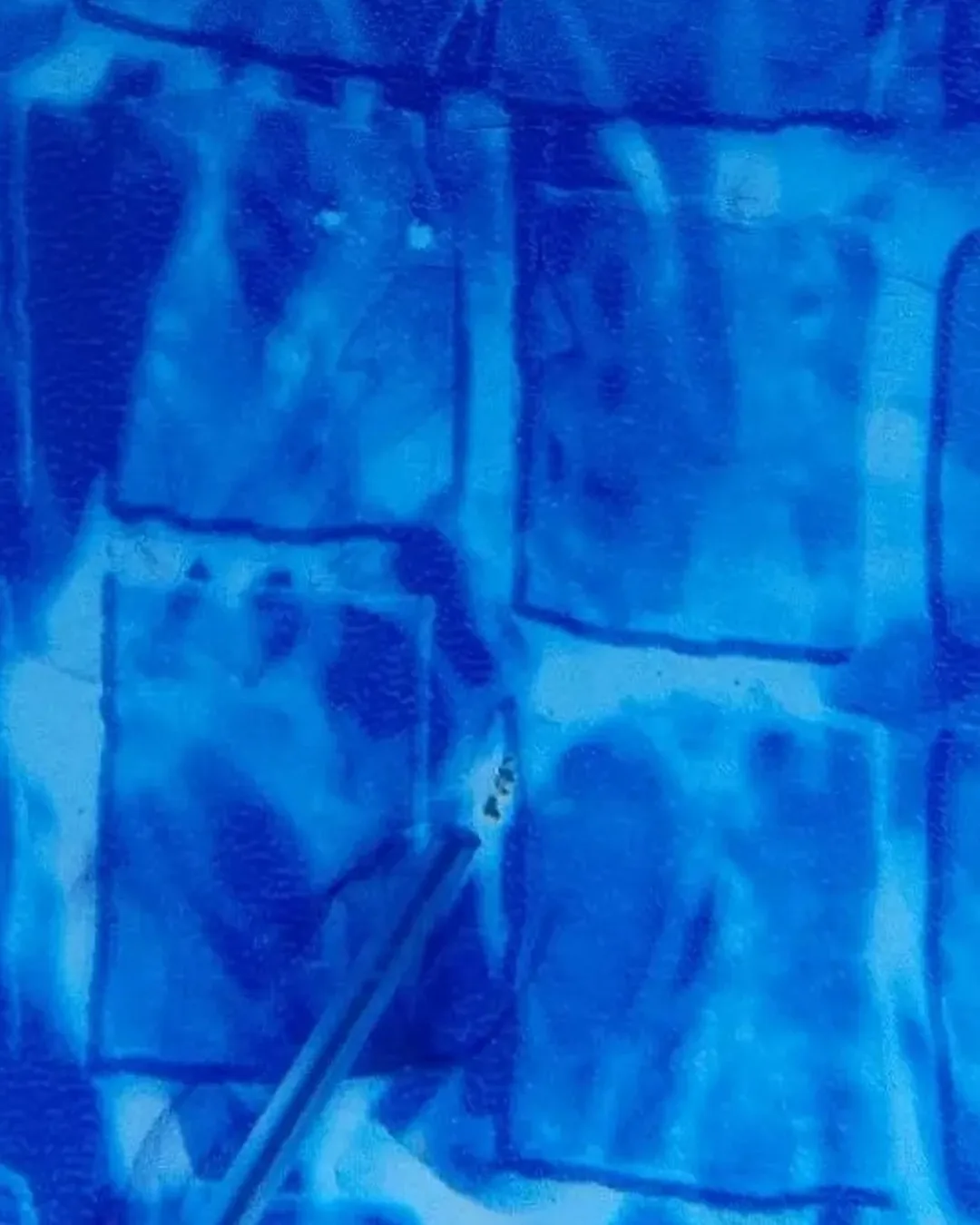
Both problem spots were just past the corners of the steps, which is a common wear point on a vinyl liner. On the left side, there was a larger hole that had actually been patched once before — but the auto-vac decided it didn't belong in the pool anymore, and ripped it out. On the right side, the damage was much more subtle: two to three pinholes, the kind you'd need electronic leak detection equipment to find with confidence rather than a mask and a bottle of dye. That difference in size and visibility is a good example of why pinhole leaks are one of the trickiest repairs to self-diagnose.
Patched Underwater, No Draining Needed
We patched both spots with matching vinyl and confirmed the seal held using dye testing — all done underwater. That's the core of how we work: diving in to make the repair on the spot instead of draining thousands of gallons and waiting days for a refill (on top of the expense!) For this Burke County pool, that meant the fix happened in about an hour, with no lost water beyond what had already been leaking out.
DIY or Call a Pro? Both Have Their Place
There's no shame in trying the DIY route first — plenty of leaks really can be found and fixed that way, and it's worth a shot before you call anyone. But when the dye test comes up empty and the water level keeps dropping, that's usually a sign the leak is smaller or better hidden than a snorkel session can catch. At some point, the smarter move is to stop spending your weekends chasing a leak and let someone with the right tools find it in an afternoon. After all, the goal is to spend your time enjoying the pool — not spending money on water that's disappearing into the ground underneath it.
Take a look at the before and after below — from two hard-to-see pinholes and a failed old patch to a liner that's holding steady again.
 BeforeAfter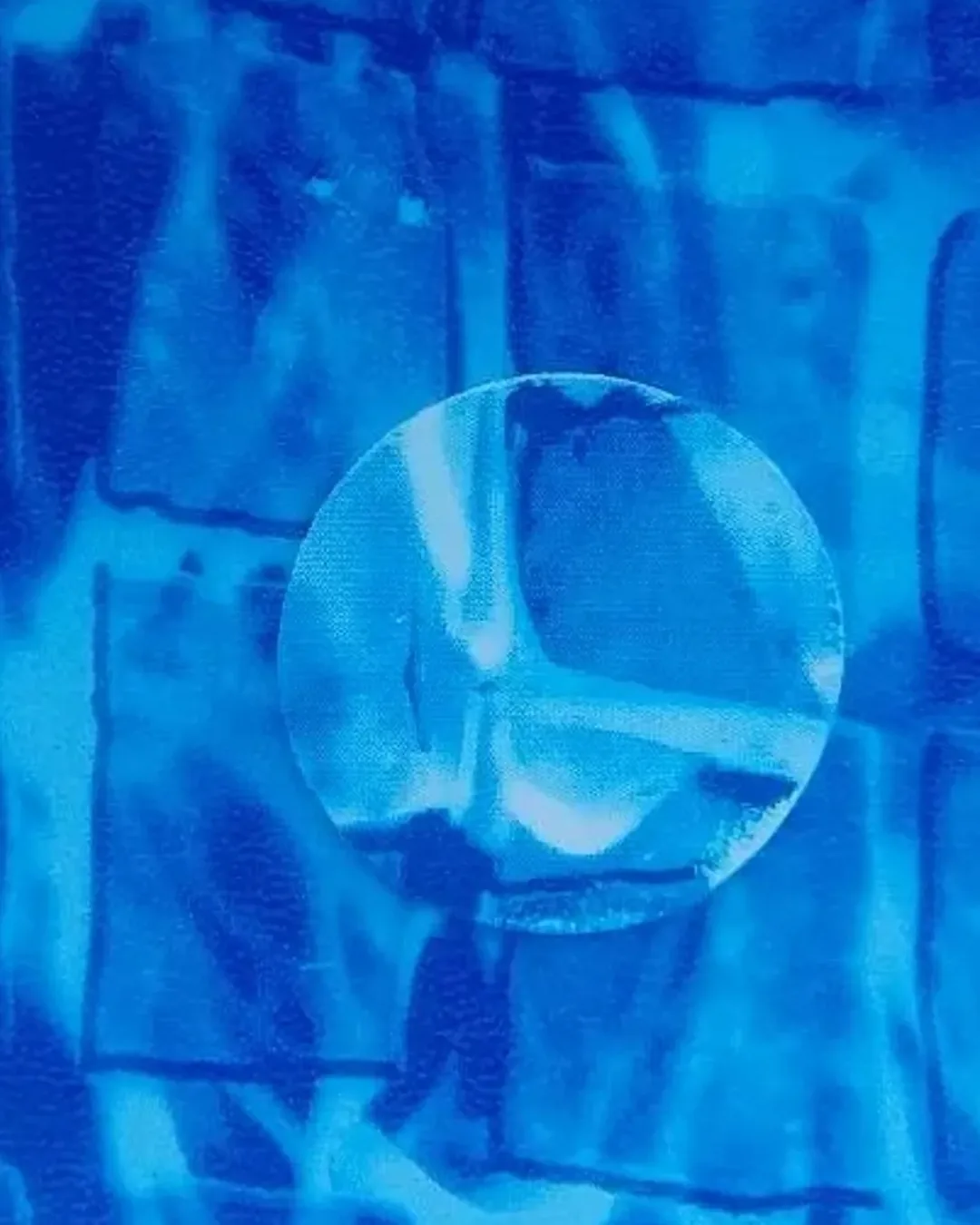
 BeforeAfter
This repair is backed by our 12-month warranty, so if anything about that patch work doesn't hold up, we'll make it right. If your pool's losing water and the DIY dye test hasn't turned up any answers, book a visit at pool-patchers.com/book and we'll take a look — no draining required!
Need a repair like this?
We're mobile across a 100-mile radius of Hickory, NC — most vinyl repairs are done in a single visit.